Transformer Oil Analysis (DGA): The Blood Test That Predicts Transformer Failure
Dissolved gas analysis reads the gases created inside a transformer as insulation degrades — hydrogen, methane, acetylene and more. Read annually, it predicts arcing, overheating and moisture problems years before failure.
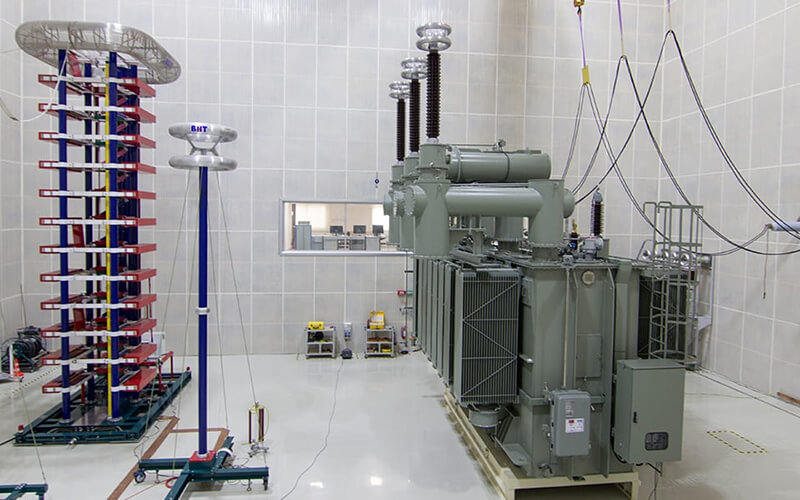
Dissolved gas analysis — DGA — is a laboratory test on a small oil sample that reads the health of a transformer from the inside. As insulation ages, overheats or arcs, it decomposes into specific gases that dissolve in the oil: each fault type has a gas signature. Sampled annually and trended, DGA predicts developing failures months to years before they take the transformer out — which matters, because an unplanned transformer failure is typically a six-to-twelve-month replacement lead time plus everything downstream of it standing still.
Which gas means which fault?
| Gas | Chemical | Typical cause |
|---|---|---|
| Hydrogen | H₂ | Partial discharge (corona) — the earliest warning |
| Methane / Ethane | CH₄ / C₂H₆ | Low-temperature overheating of oil |
| Ethylene | C₂H₄ | High-temperature overheating (hot metal) |
| Acetylene | C₂H₂ | Arcing — the most serious single indicator |
| Carbon monoxide / dioxide | CO / CO₂ | Overheated cellulose (paper insulation) degrading |
Interpretation methods — gas ratios and the Duval triangle, standardised in IEC 60599 — turn the raw ppm numbers into a named fault type. But the single most valuable number is the trend: a stable 80 ppm of hydrogen is a note in a file; a rise from 20 to 80 ppm in six months is an instruction to act.
What else does an oil sample reveal?
- Moisture content — water is insulation’s enemy; every 10 °C of operating temperature doubles the ageing rate of wet paper.
- Dielectric breakdown voltage — the oil’s remaining strength as an insulator.
- Acidity and interfacial tension — oil oxidation, which accelerates sludge and cooling problems.
- Furan compounds — direct chemical evidence of paper insulation ageing, effectively the transformer’s remaining-life gauge.
How often should Saudi transformers be sampled?
Annually as the baseline; six-monthly for critical units, units over 20 years old, or any transformer with a previous abnormal result. Saudi operating conditions argue for the aggressive end: sustained high ambient temperatures push oil temperatures up, and loading rarely relaxes outside the short winter. Sampling is a live-transformer task — a trained technician draws it from the valve in minutes without an outage, making DGA one of the least intrusive tests in the entire maintenance catalogue.
What happens when a result comes back abnormal?
The sequence is escalation by evidence, not panic. A caution-level result shortens the sampling interval and adds a thermal survey of the tank, radiators and bushings. A serious result — acetylene present, or steep gas trends — triggers electrical testing: winding resistance, turns ratio, insulation resistance and sweep frequency response, the full diagnostic battery of our Transformers Testing. The combined picture separates “monitor closely” from “plan the outage now” — and both outcomes beat discovering the fault when protection finally operates.
The economics: a test against a catastrophe
An annual DGA program costs a fraction of one percent of a transformer’s replacement value. The failure it prevents costs the transformer, the emergency logistics, and every hour of lost production during a lead time measured in months. Among our industrial clients in Jubail and Dammam, DGA trending has repeatedly converted would-be failures into planned, budgeted interventions — the difference between a maintenance line item and a plant-stopping event. It is the same measure-first philosophy behind our Power Quality Analysis and inspection work: the data decides.
Field notes: two DGA saves from the Eastern Province
Two cases from our sampling program show the method’s value better than any theory. A 10 MVA unit at a Jubail processor showed ethylene climbing across three successive samples — from 40 to 260 ppm inside a year — with hydrogen rising in sympathy: the signature of a developing hot-metal fault. Electrical testing localised it to a deteriorating tap-changer contact; the repair happened in a planned weekend outage. The counterfactual was a through-fault failure at full production. The second case ran the other way: a 30-year-old distribution transformer with alarming absolute gas levels but flat trends across two years of samples — stable legacy gassing, not an active fault. DGA evidence justified keeping it in service with monitoring rather than spending on premature replacement. The test earns its keep in both directions: it triggers action, and it prevents unnecessary spending.
Setting up a sampling program that actually works
- Inventory and rank — list every oil-filled unit with rating, age and criticality; the ranking sets sampling frequency and lab priority.
- Sample correctly — flushed valves, sealed syringes or bottles, no air contact; a bad sample is worse than none because it fakes a trend.
- Use one laboratory consistently — inter-lab variation pollutes trends; consistency beats brand.
- File results against the unit, not the year — the transformer’s lifetime gas history is the diagnostic asset.
- Pre-agree the escalation rules — who is told at caution level, what triggers electrical testing, who owns the outage decision. The program fails at the handover, never at the lab.
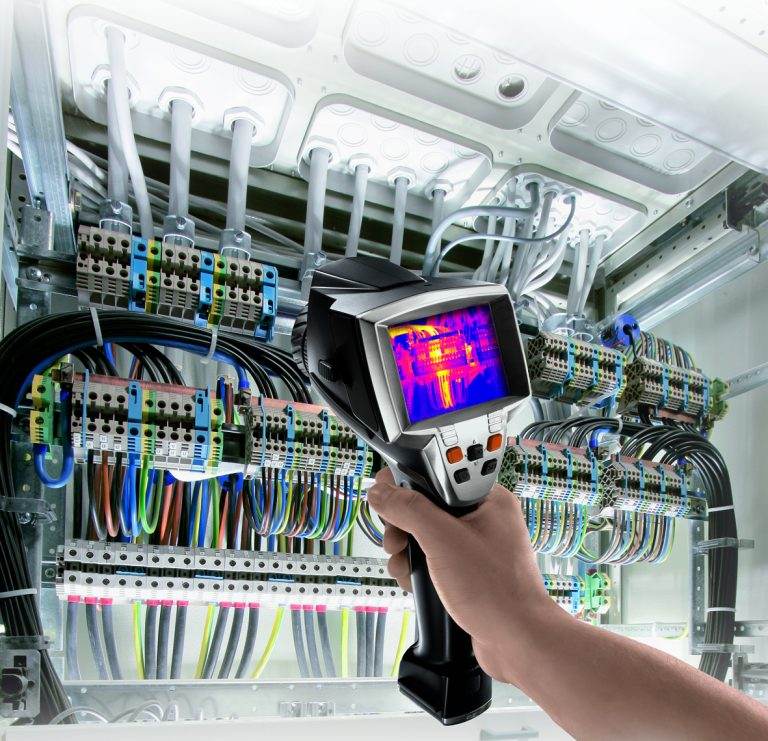
Paired with an annual thermal scan of tanks and bushings, this loop gives each transformer a documented health record — the difference between managing assets and gambling on them.
How our transformer diagnostics program runs, start to finish
Enrolment starts with an inventory call: every oil-filled transformer on site listed with rating, age, duty and criticality, from which we propose sampling frequency and a program price — quotation within one business day. Sampling visits are brief and outage-free: a technician draws sealed samples from each unit’s valve, labels them against the asset register, and ships them to the laboratory we use consistently for exactly this reason — trend integrity. Results return as a per-unit health report: gas levels interpreted through IEC 60599 ratios and the Duval triangle, moisture and dielectric numbers against limits, and the all-important trend line against your unit’s own history. Normal results simply extend the record. Caution results shorten the interval and add a thermal scan at no extra visit. Serious results trigger the diagnostic battery — winding resistance, ratio, insulation and response testing — with our engineers walking you through the outage-or-monitor decision with evidence on the table. Everything files into a lifetime record per transformer, so budget planning for refurbishment or replacement is driven by data years in advance instead of by the failure that ends the discussion.
Frequently asked questions
Can DGA be done on-site instead of in a lab?
Portable analysers exist and are useful for screening, but laboratory analysis remains the reference for accuracy and furan testing. We use field screening to decide urgency and the lab to decide action.
Does a dry-type transformer need DGA?
No oil, no DGA — dry-type units rely on thermal monitoring, insulation resistance and partial discharge testing instead. Their diagnostic program is different, not absent.
What about online DGA monitors?
For critical transformers, permanently installed multi-gas monitors stream the trend continuously — worthwhile insurance on units whose failure would stop a plant. We specify them selectively, where the criticality justifies the cost.
Volt Solutions provides transformer oil sampling, laboratory DGA and full electrical diagnostics across Saudi Arabia. Schedule your annual sampling — quotation within one business day, and a trended health report you can plan budgets around.
Osama Khan
Power Systems Engineer at Volt Solutions. Osama leads power quality investigations, ETAP studies and electrical safety audits for industrial facilities across Saudi Arabia — Riyadh, Jeddah, Dammam and the Eastern Province.