EICR in Saudi Arabia: The Complete Guide to Electrical Inspection Condition Reports
An EICR is a formal report on the safety condition of an electrical installation, graded C1 to C3. In Saudi Arabia it is increasingly requested for Civil Defense licensing, insurance and facility handovers.
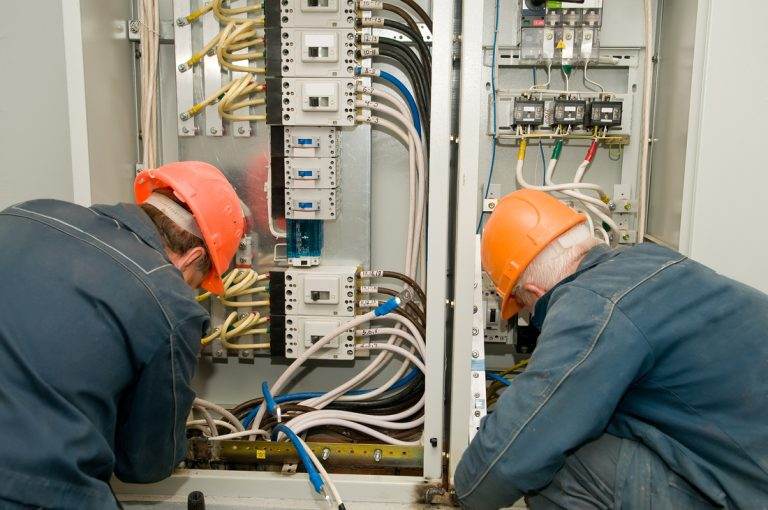
An EICR — Electrical Installation Condition Report — is a formal engineering assessment of an electrical installation’s safety, produced after systematic inspection and testing by a qualified engineer. Every observed defect is graded by severity, from C1 (danger present, immediate action) to C3 (improvement recommended). In Saudi Arabia, EICRs are increasingly requested during Civil Defense licensing, insurance renewals, facility purchases and after any incident — and a facility that cannot produce one is a facility that cannot prove its installation is safe.
What does an EICR actually cover?
A proper condition report is not a walk-through with a clipboard. It combines visual inspection with measured testing across the whole installation:
- Distribution boards and switchgear — condition, labelling, protective device ratings, signs of overheating.
- Wiring and containment — insulation condition, cable sizing against actual loads, damaged or improvised runs.
- Earthing and bonding — measured earth electrode resistance and continuity of protective conductors, verified with calibrated instruments (a discipline we cover in depth in our earth ground testing service).
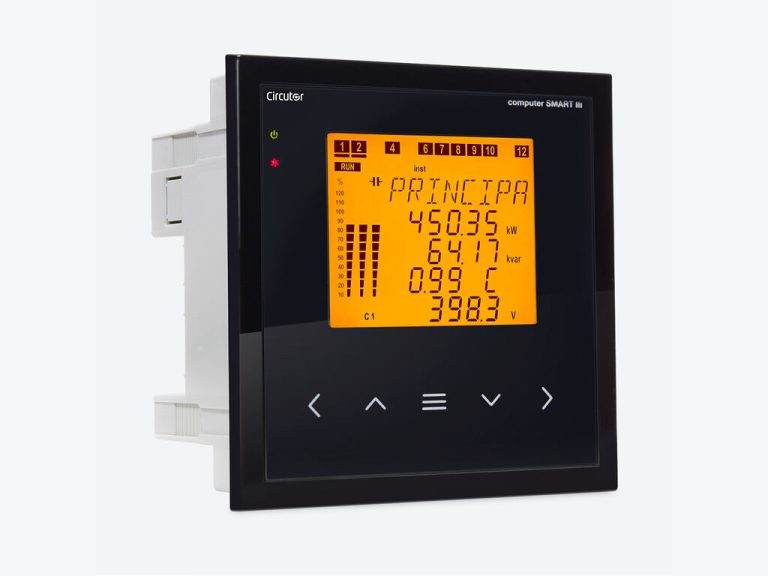
- Protection devices — RCD trip times, breaker suitability for measured fault levels.
- Thermal condition — an infrared scan of panels under load finds loose terminations before they become fire starts (see how thermal imaging surveys work).
What do the C1, C2, C3 and FI codes mean?
| Code | Meaning | Required action |
|---|---|---|
| C1 | Danger present — risk of injury exists now | Immediate remediation; part of the installation may need isolating |
| C2 | Potentially dangerous — could become a hazard | Urgent remedial work, scheduled without delay |
| C3 | Improvement recommended — not dangerous today | Plan into the next maintenance window |
| FI | Further investigation required | Additional testing before the installation can be declared satisfactory |
The report’s overall verdict is binary: satisfactory or unsatisfactory. Any C1 or C2 makes it unsatisfactory — and that is the line insurers and inspectors care about.
When do Saudi facilities need an EICR?
Four triggers account for nearly every request we receive in Riyadh, Jeddah and the Eastern Province:
- Civil Defense licensing — new licences and renewals increasingly require evidence of electrical safety. A pre-inspection audit finds exactly what would fail before the official visit does.
- Insurance — underwriters ask for current condition reports on industrial risks; premiums follow the findings.
- Acquisition and handover — buying or leasing a facility without an EICR means buying its hidden electrical liabilities.
- Age and incidents — installations over 5 years without inspection, or any site that has had a shock, fire or repeated unexplained tripping.
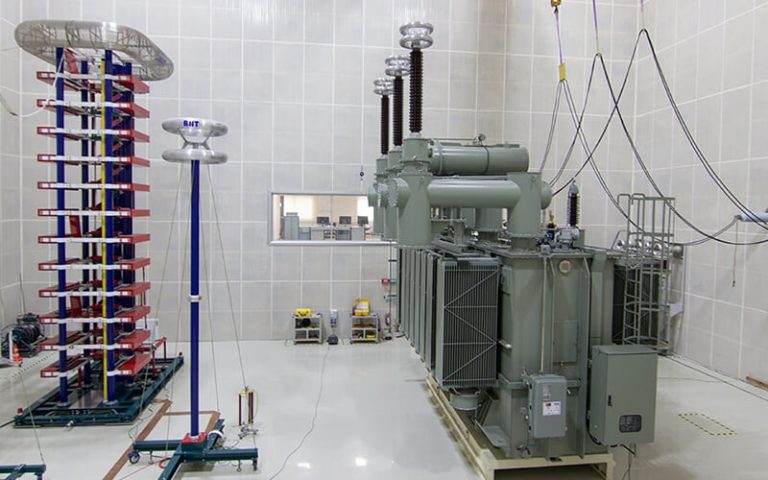
All works referenced in a compliant report are judged against the Saudi Building Code (SBC), SEC connection requirements and IEC standards — the same framework used across our testing and commissioning work.
How long does an inspection take, and what disrupts production?
For a typical industrial unit: one day on site per 10–15 distribution boards, plus reporting. Most measurements are non-intrusive; the tests that need dead circuits (insulation resistance, some continuity tests) are scheduled into shutdown windows or night shifts. At Volt Solutions we run the thermal survey and load measurements while the plant operates — the disruption question is a planning question, and it has good answers.
What should the deliverable look like?
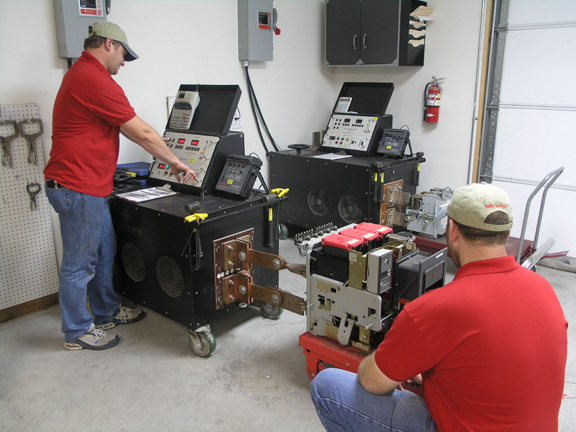
Refuse a report that is only a certificate. A useful EICR contains: the full circuit schedule with measured values, every observation photographed and located, C-codes with an engineer’s explanation, a prioritised and costed remediation list, and the tester’s calibration certificates. That document becomes your baseline — the next inspection measures drift against it.
Field notes: what inspections in KSA actually find
Across the audits our engineers have run in Riyadh warehouses, Jeddah commercial towers and Eastern Province plants, the same defects dominate the C2 lists. Improvised circuit additions top the table: a facility grows, a contractor taps a new load off the nearest board, and five years later a 63 A breaker quietly feeds 90 A of equipment. Second is earthing that was never completed — rods installed but never bonded, or measured values that have drifted far above design as soil dried around the electrode. Third is thermal damage already in progress: discoloured terminals and softened insulation that a survey camera finds in minutes but that no paper record would ever reveal.
The pattern matters because it changes how you should buy an inspection. A checklist inspection samples what is visible; a measured inspection tests what is invoked when something goes wrong — fault paths, disconnection times, earth resistance under the panel you never open. The second kind is the one that stands up when an insurer, a licensing officer or an incident investigator asks questions.
How to prepare your facility for an EICR
- Gather the drawings you have — even outdated single-lines cut survey time significantly; we correct them as we test and you end the audit with drawings that match reality.
- List your critical circuits — anything that must not be interrupted gets scheduled for night or shutdown-window testing.
- Free access to boards — a surprising share of site time is spent moving stored material away from panels; clear them the day before.
- Nominate one electrician — a site person who knows where things are doubles the pace of any audit.
- Decide the remediation route in advance — findings age badly; a C2 left open for a year is an incident report waiting for a date.
Prepared this way, a 20-board facility is typically surveyed in two days with zero production interruption — and the report lands the same week.
How a Volt Solutions EICR runs, start to finish
Day zero is scoping: you send the facility size, board count and any drawings, and we return a fixed quotation within one business day with the survey plan attached. On site, the sequence is engineered around your production: live work first — the thermal scan, load measurements and visual inspection run while the plant operates — then dead testing grouped into the windows you nominate, board by board, so no line stops unplanned. Every measurement is taken with calibrated instruments whose certificates ship inside the final report. Within five working days you receive the signed EICR: circuit schedules with measured values, photographed observations with C-codes, and a remediation list priced as a separate, itemised document so the audit’s independence is never in question. Most clients close their C2 list with us in the following month’s maintenance window; some take the list to their own contractors — both are fine, because the report is built to stand on its own in front of any inspector or insurer. For facilities coupling the EICR with licensing deadlines, we schedule backwards from your Civil Defense date so remediation and re-verification land before the official visit, not after it.
Frequently asked questions
Is an EICR legally mandatory in Saudi Arabia?
There is no single statute naming “EICR”, but Civil Defense licensing, SEC connection conditions and insurance contracts each impose electrical safety evidence in practice — and a condition report is how facilities satisfy all three at once.
How often should it be repeated?
Industrial practice is every 3–5 years, annually for harsh environments (heat, dust, corrosive atmospheres) — most of coastal and industrial KSA qualifies as harsh.
Can the same company inspect and repair?
Yes, and it is usually faster — but insist the inspection findings are priced transparently so the audit stays honest. Our inspection & audit service issues the report first; remediation is always a separate, itemised decision.
Volt Solutions delivers EICR inspections across Riyadh, Jeddah, Makkah, Dammam, Jubail and Al-Khobar, with calibrated instruments and engineer-signed reports. Book an inspection — we return a scoped quotation within one business day.
Osama Khan
Power Systems Engineer at Volt Solutions. Osama leads power quality investigations, ETAP studies and electrical safety audits for industrial facilities across Saudi Arabia — Riyadh, Jeddah, Dammam and the Eastern Province.